Mastering AI Automation: Practical Routines to Boost Productivity and Marketing Impact
Hello everyone 👋 Artificial Intelligence is no longer a futuristic concept—it’s woven into daily workflows, from personal task management to advanced marketing campaigns. But here’s the truth I’ve learned: simply adopting AI tools isn’t enough. The real transformation comes when you build automation routines that consistently save time, reduce errors, and amplify output.
When I first explored AI automation, I felt overwhelmed by the sheer number of tools. Some promised to write content, others to schedule tasks, and many claimed to “do everything.” After trial and error, I realized that the tools themselves don’t matter as much as the systems you build around them. Today, I’ll share practical routines that helped me turn scattered AI apps into a structured workflow that boosted both my productivity and marketing results.
Building a Core Productivity Routine
The foundation of automation starts with repetitive tasks. I set up AI to handle scheduling, email sorting, and document formatting. For example, an AI assistant now drafts responses to common client questions, which I edit quickly instead of starting from scratch.
👉 Tip: Start with one high-frequency task. Automating even 10 minutes a day adds up to hours saved every month.
Streamlining Marketing Workflows
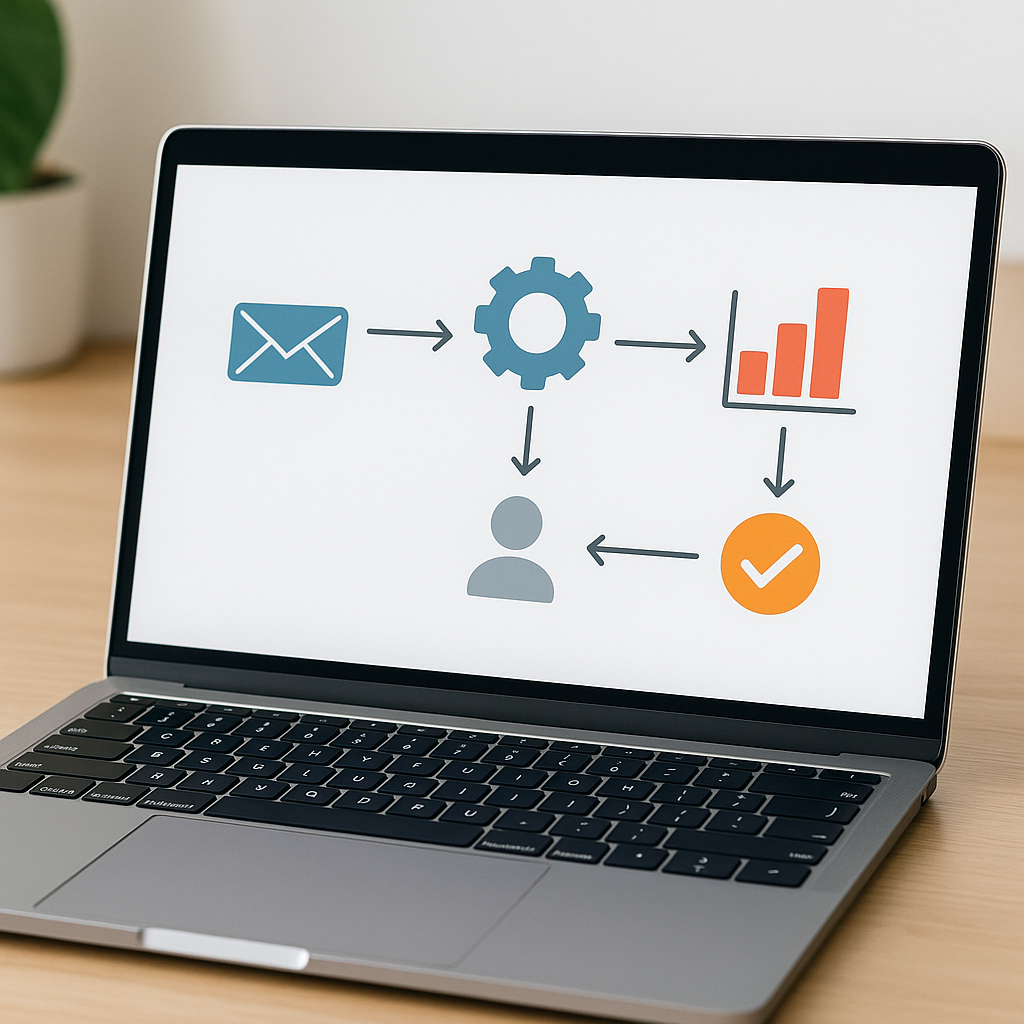
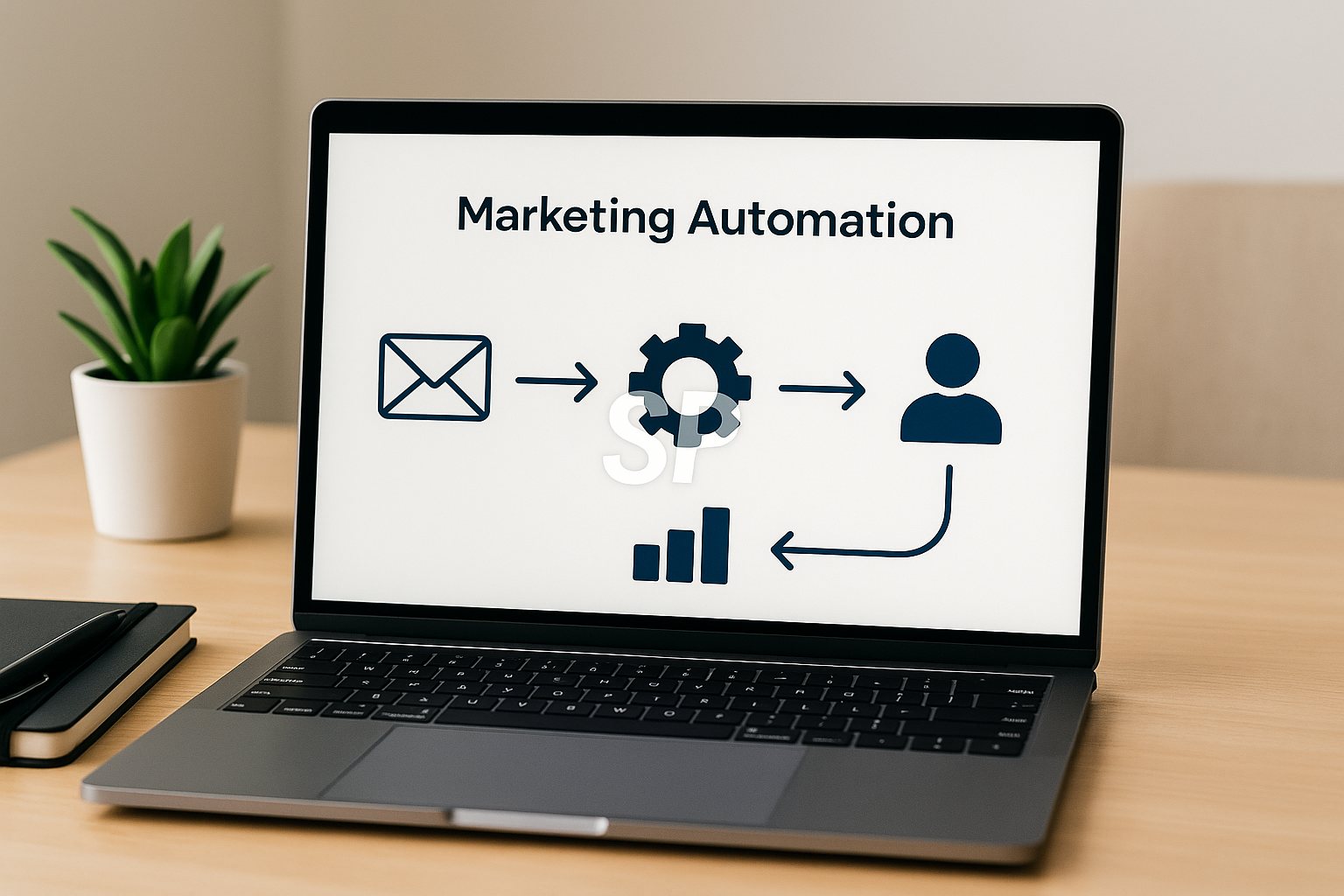
Marketing often involves repetitive actions: posting on social media, analyzing performance, segmenting audiences. By connecting AI tools with automation platforms, I reduced manual effort dramatically. My weekly routine now looks like this: AI drafts a blog summary → automation tool schedules it across platforms → analytics dashboard tracks engagement in real time.
👉 Example: A single piece of content now fuels multiple channels without additional effort.
Avoiding Common Pitfalls
At one point, I overloaded my workflow with too many tools, each doing a small task. It became confusing and slowed me down. The lesson? Keep the stack lean. Choose a handful of tools and master them, instead of chasing every new app on the market.
Monitoring and Adjusting Routines
Automation isn’t “set and forget.” I dedicate 30 minutes each week to review performance: which tasks saved the most time, where errors occurred, and what needs tweaking. This reflection keeps my system efficient rather than bloated.
Lessons from Experience
Over-automation caused errors when context was missing. Human review is still essential.
Clear naming conventions in AI-generated files reduced confusion.
Small, consistent improvements outperformed big, one-time overhauls.
Emotional Impact of Automation
What surprised me most was the relief I felt. Tasks that once drained me became background processes, freeing mental space for creative work. 🌱 Instead of juggling details, I now focus on strategy and growth.
AI automation isn’t about replacing human effort—it’s about designing routines that multiply it. By structuring tasks, streamlining marketing, and reviewing regularly, you can build a system that not only saves time but also drives measurable results.
When I look back at my journey with AI automation, the most powerful shift wasn’t about the tools themselves but the habits built around them. Early on, I thought downloading the latest app would instantly make me more productive. But after juggling too many platforms, I realized automation only works when it becomes a consistent routine.
One change that helped was creating a daily automation check. Every morning, before diving into deep work, I glance at my automation dashboard: what tasks ran overnight, what emails were sorted, and what posts were scheduled. This quick review gives me clarity and prevents surprises later in the day.
Another breakthrough came from connecting AI with marketing in practical ways. Instead of drafting social posts manually, I let AI generate first drafts. At first, I worried the content would feel generic, but with small edits and personal touches, I found it cut my workload in half. The consistency of posting regularly boosted engagement more than “perfect” one-off posts ever did.
I also learned to respect the limits of automation. Once, I automated client replies too aggressively and accidentally sent the wrong template. That mistake taught me to always keep a human layer of review. Automation works best as an assistant, not a replacement.
Weekly reflections also became part of my routine. On Fridays, I review saved time metrics, marketing performance, and user feedback. At first, these reviews felt unnecessary, but over time they became my compass. Without them, automation easily drifts into chaos; with them, it grows stronger and more aligned with my goals.
The emotional relief has been enormous. 🌱 Instead of constantly worrying about missed deadlines or forgotten details, I trust the system I’ve built. That mental space allows me to focus on creativity, strategy, and even personal downtime.
For anyone exploring AI automation, I’d suggest starting small, building routines, and reviewing often. Tools will come and go, but the habits you develop around automation will stay—and they’re what truly create long-term impact.