Best AI Tools for Small Business Marketing: Automation Strategies That Save Time
Running a small business can feel like juggling too many things at once. You’re writing posts for social media, answering customer questions, analyzing campaign data, and still trying to plan for the next quarter. Sound familiar? 😊 This is where the power of best AI tools for small business marketing comes in. These tools can automate repetitive tasks, analyze data faster than humans, and even generate creative content in seconds. The result? More time for you to focus on strategy and growth.

Unlike big corporations with huge teams, small businesses often lack resources. But the rise of AI productivity tools has leveled the playing field. Today, even a two-person team can run professional marketing campaigns powered by artificial intelligence. Let’s explore the top strategies and tools that can transform how you approach marketing in 2025.
1. Automating Social Media Posts
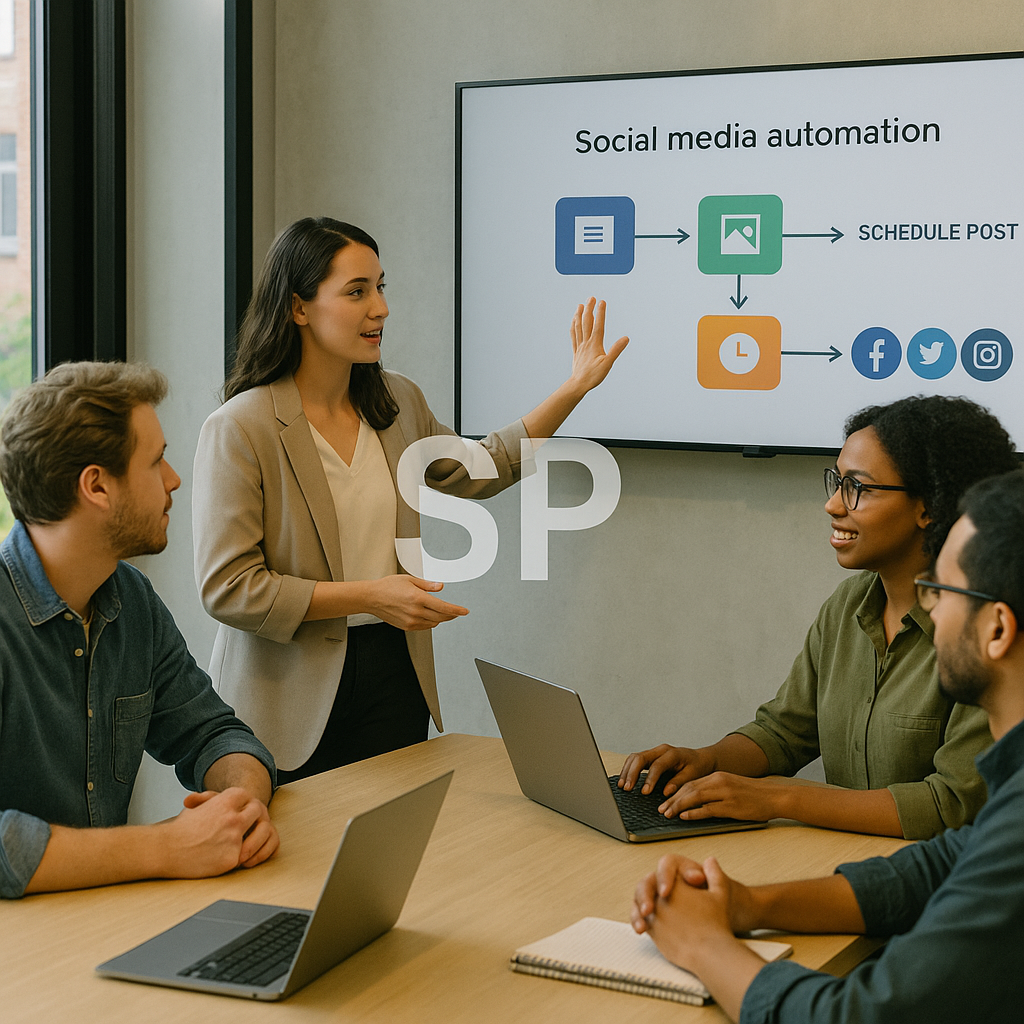
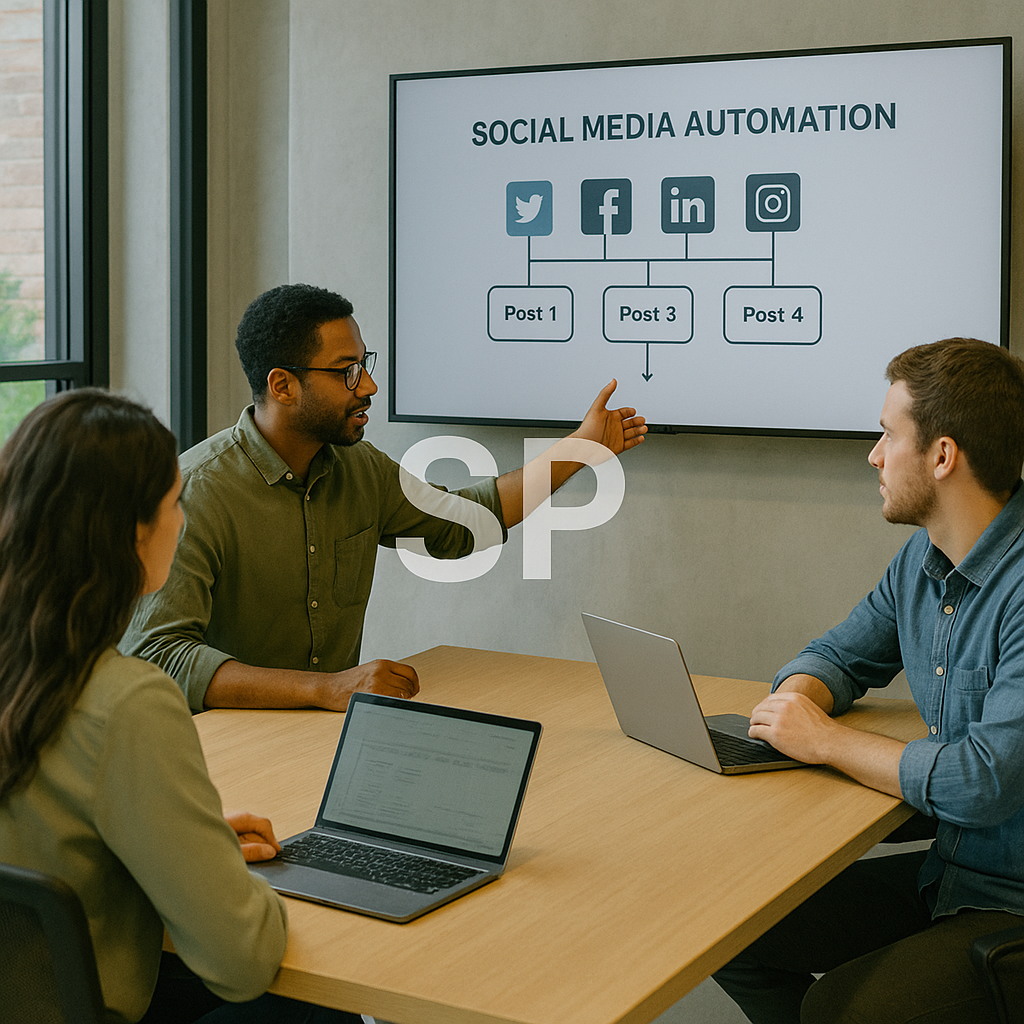
One of the biggest time-drainers is social media management. Posting consistently across multiple platforms takes planning and effort. AI-powered schedulers can now suggest the best times to post, generate captions, and even repurpose content into different formats. This is why small business owners are increasingly adopting marketing automation strategies. Imagine uploading one blog post, and the system automatically creates tweets, LinkedIn updates, and Instagram captions. That’s not just efficiency—it’s scalability.
2. Smarter Customer Engagement
Another key area is customer service. With chatbots and AI-driven response systems, businesses can engage customers 24/7. These aren’t the clunky bots of the past. Modern AI assistants can understand context, learn from interactions, and escalate complex issues when needed. For example, a bakery might use a chatbot to take online orders while answering questions about delivery times. It’s simple, yet it builds trust and frees staff to focus on what humans do best—personal connections.
3. Data-Driven Campaigns
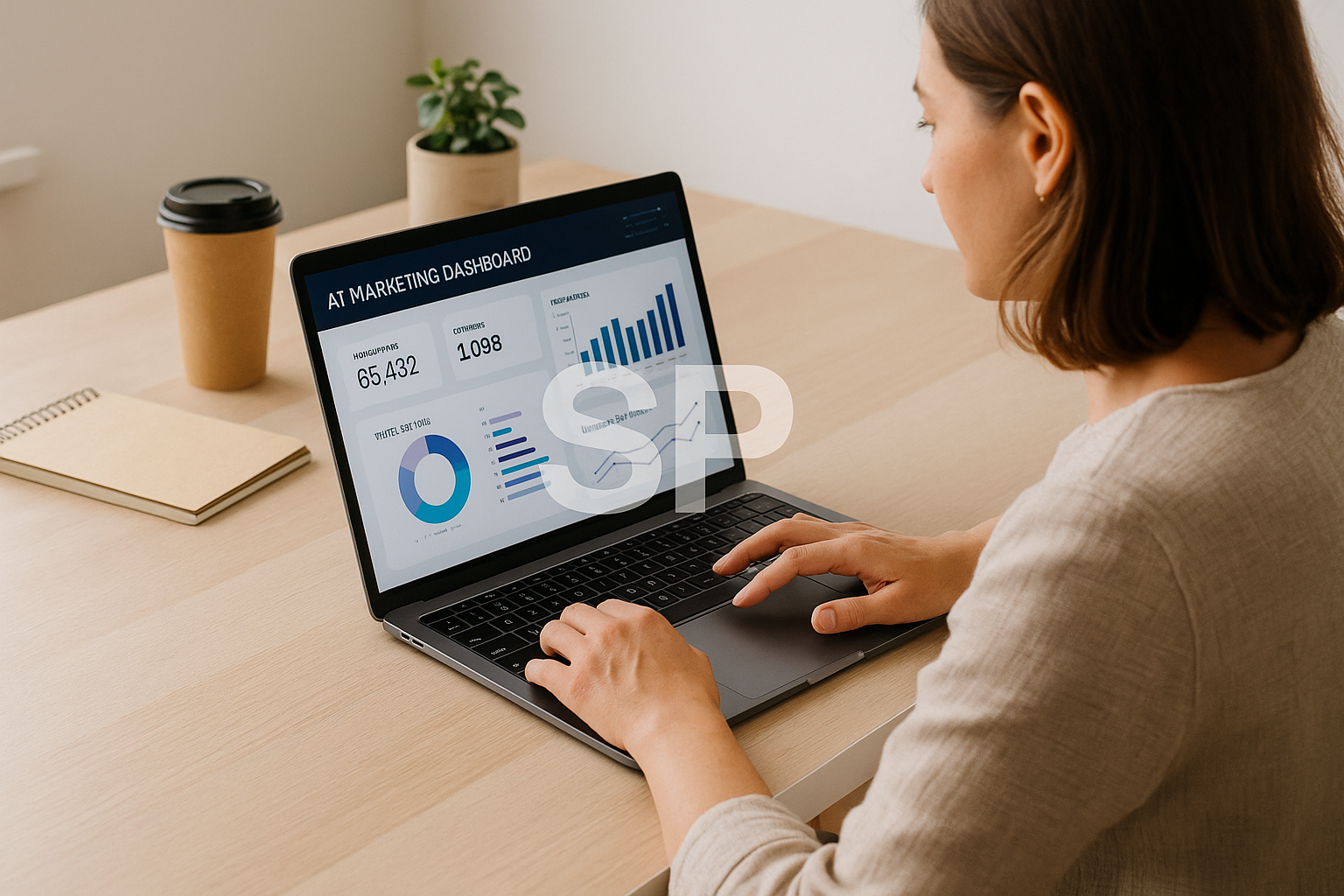
Small businesses often make decisions based on intuition. But marketing today is about evidence. AI analytics platforms can track customer behavior, measure ROI, and even predict which campaigns will perform best. This shift towards workflow automation with AI reduces guesswork. Instead of spending hours compiling spreadsheets, you get instant dashboards that guide smarter choices. It’s like having a full-time data scientist without paying a six-figure salary. 📊
4. AI in Content Creation
Yes, AI can also help you create content. Tools now generate blog drafts, ad copy, and even product descriptions in seconds. While human creativity is still essential, AI provides a solid starting point. Many AI productivity tools come with built-in SEO features, ensuring your content ranks higher on Google. For small businesses with limited budgets, this is a game-changer. A clothing boutique, for example, can use AI to generate seasonal trend descriptions while the owner focuses on customer experience.
5. Scaling Without Extra Staff
Perhaps the most exciting part of using the best AI tools for small business marketing is the ability to scale without increasing headcount. By automating repetitive tasks, you save money on hiring while still delivering professional results. Plus, automation reduces human error, ensuring more consistent performance. This balance between cost and growth is what makes AI such an attractive partner for entrepreneurs.
💡 Q&A Section
Q: Are AI tools expensive for small businesses?
A: Not anymore. Many platforms offer free versions or affordable monthly plans designed specifically for small teams.
Q: Will AI replace human marketers?
A: AI handles repetitive and data-heavy tasks, but creativity, empathy, and storytelling still rely on humans. The best results come from combining both.
If you’re just starting out, don’t try to adopt every AI tool at once. Begin with one area that drains your time the most—whether it’s social media, email marketing, or analytics. Once you see results, expand gradually. Small, consistent steps often lead to the biggest transformations.
In conclusion, the best AI tools for small business marketing aren’t just about saving time—they’re about creating opportunities. By adopting marketing automation strategies, leveraging AI productivity tools, and experimenting with workflow automation with AI, small businesses can achieve results once reserved for large corporations. The real question is: are you ready to let AI become your business partner in growth? 🚀
When diving deeper into the topic of best AI tools for small business marketing, it becomes clear that the biggest advantage isn’t simply saving time—it’s reshaping how small businesses compete in an increasingly digital landscape. While large enterprises rely on big budgets and teams, AI provides small players with a chance to act faster, think smarter, and deliver more consistent value. Let’s explore how entrepreneurs can practically integrate these tools and transform daily operations into sustainable growth engines.
One key mindset shift involves thinking of AI not as a one-time purchase, but as a business partner. Successful entrepreneurs often describe AI platforms as “virtual teammates” that handle repetitive work. For example, scheduling posts across five different platforms manually might take hours. With automation software, it’s reduced to minutes. More importantly, the AI suggests optimal posting times, analyzes engagement, and adapts strategies automatically. That cycle of improvement makes small businesses feel much larger than they are.
Another angle worth noting is how AI changes content production cycles. In the past, creating ad campaigns meant brainstorming, designing, writing, and testing—all of which consumed time and money. Now, tools powered by natural language processing can draft ad copy or product descriptions instantly. Designers can use AI-driven platforms to produce images tailored to campaigns. Of course, human creativity remains essential, but these AI productivity tools reduce friction so that businesses can focus energy on storytelling and branding. Wouldn’t you agree that when the process is smoother, the creative ideas flow more freely?
Still, challenges appear. Many owners rush into adopting multiple platforms at once, hoping automation will solve every issue. The problem is that without a clear workflow, complexity grows instead of shrinking. This is why workflow automation with AI is not just about plugging tools together; it’s about designing a logical sequence. For instance, connecting customer sign-ups on a website directly to email campaigns and CRM systems can create a seamless journey. Done poorly, however, it can confuse customers with duplicate emails or missed updates. The lesson: structure before speed.
The financial aspect also deserves attention. Some small businesses hesitate because they fear the costs of advanced AI tools. But market trends in 2025 show that subscription-based services are increasingly affordable. Many vendors offer tiered plans, where startups pay as little as $20–50 monthly to access professional-grade features. In fact, case studies reveal that the return on investment from a single automation—such as reducing customer support workload—often outweighs subscription costs within weeks. Viewed this way, AI isn’t an expense, but a cost-saving strategy aligned with marketing automation strategies that prioritize efficiency.
Let’s look at a real-world example. A local coffee shop launched a loyalty program supported by AI. The system automatically tracked visits, suggested personalized discounts, and reminded customers when points were about to expire. Within six months, customer return rates increased by 30%. The owner didn’t hire new staff, yet the results mimicked a large-scale marketing campaign. This case underlines how even modest applications of AI can create disproportionate results for small businesses.
Another fascinating dimension is customer insight. Traditionally, analyzing market data required expensive consultants. Today, predictive analytics platforms let small businesses forecast seasonal demand, identify top-selling products, and even anticipate churn. Integrating these insights into strategy helps businesses act before problems arise. Think of it as applying the same logic investors use with diversified portfolios: data becomes the protective layer against uncertainty. For entrepreneurs relying on the best AI tools for small business marketing, these insights transform guesswork into confident action.
it’s crucial to discuss resilience. Technology evolves quickly, and not every tool will last. Building a marketing system that can switch platforms or adapt to new AI services ensures longevity. Entrepreneurs who keep their workflows flexible, document their processes, and avoid over-dependence on a single vendor are better prepared for inevitable change. In the same way that sustainable investing relies on spreading risk, small business marketing benefits from diversification and adaptability.
⚡ Case Reflection: A Misstep Turned Lesson
One small online retailer attempted to automate everything at once: emails, ads, chatbots, and inventory. The result? Confused customers, overlapping promotions, and data errors. Revenue actually dipped for two months. The turning point came when they simplified. They chose one primary AI tool for email campaigns, restructured their workflow, and slowly added integrations. Within a year, sales not only recovered but grew by 45%. The failure proved that moderation and clarity often drive the best results.
In summary, the journey of using the best AI tools for small business marketing is not about racing toward perfection. It’s about layering improvements gradually, letting data shape decisions, and staying flexible enough to adapt. By combining AI productivity tools, workflow automation with AI, and smart marketing automation strategies, small businesses can compete on a global stage without losing their personal touch. And perhaps the most empowering lesson is this: small doesn’t mean powerless—especially when AI is part of the team. 🚀