AI Marketing Automation Tools for Small Businesses 2025: Smarter Growth with Less Effort
Running a small business in 2025 is both easier and more overwhelming than ever. On one hand, digital platforms give small teams the ability to reach global audiences. On the other, the sheer number of tasks—email campaigns, social media posting, lead nurturing, customer support—can quickly drain time and energy. This is where AI marketing automation tools for small businesses step in, turning what used to be full-time jobs into manageable, streamlined routines.

I’ve seen many small business owners hesitate to adopt AI because they assume it’s too complicated or expensive. But the reality today is different: modern AI automation tools are designed to be plug-and-play, cost-efficient, and surprisingly easy to integrate. Let’s explore how small businesses can leverage these tools to save time, cut costs, and drive smarter growth in 2025.
Why Small Businesses Need AI Automation Now
Traditional marketing requires consistency. Without it, customer engagement drops, campaigns lose effectiveness, and sales pipelines dry up. The challenge for small businesses has always been bandwidth. You can’t be everywhere at once—writing blogs, posting on social media, responding to leads, and analyzing campaign data. AI automation solves this bandwidth gap by handling repetitive tasks in the background.
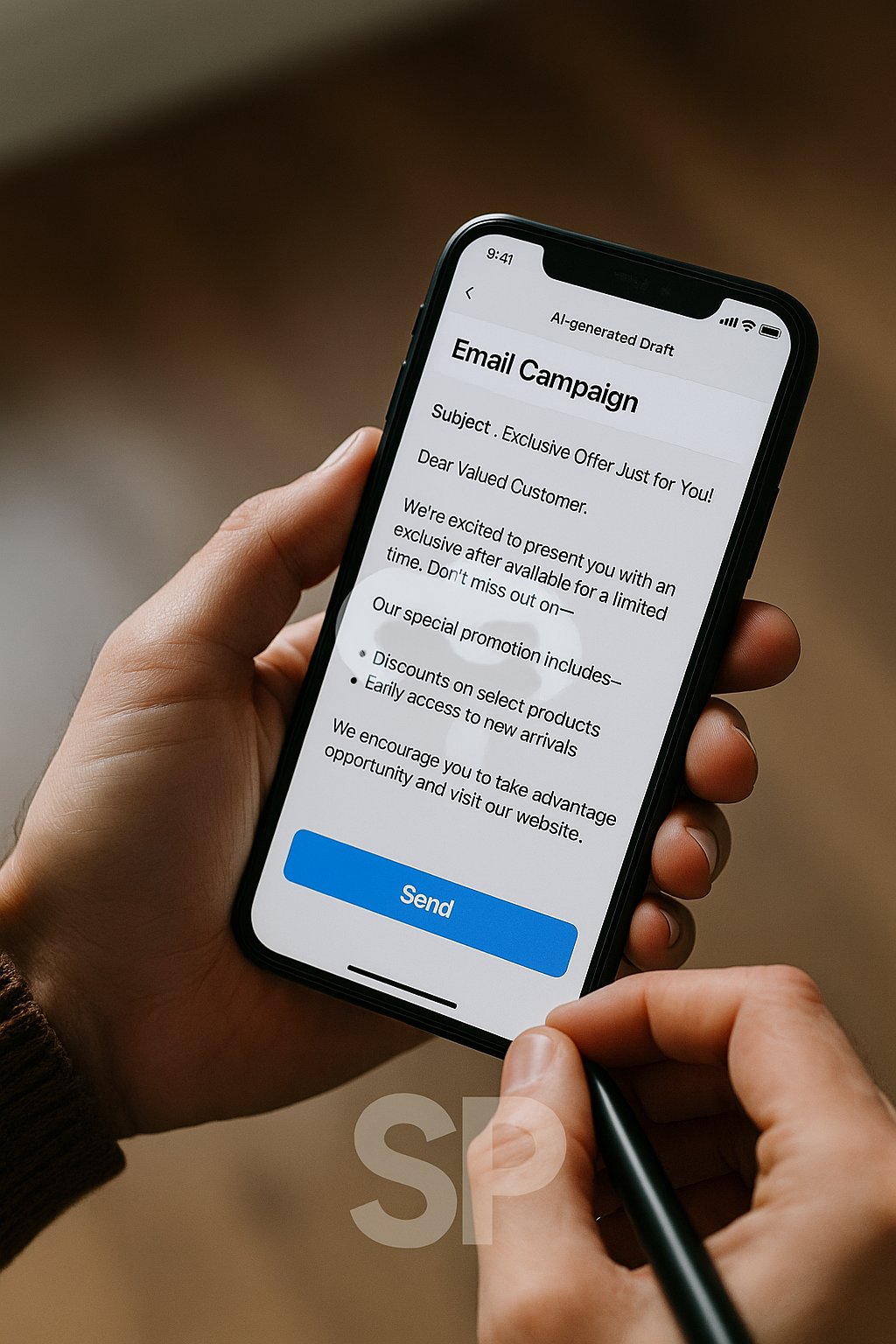
For example, AI-driven email platforms can automatically segment your audience, generate tailored subject lines, and send messages at the optimal time. Social media tools now analyze your followers’ activity and schedule posts when engagement is highest. These aren’t just conveniences—they directly improve ROI by making every action more precise.
Key Features to Look For in 2025 Tools
When choosing an AI marketing automation tool, small business owners should focus on three main things: simplicity, integration, and insights.
Simplicity: Tools should require minimal setup. If it takes weeks of onboarding, it’s not designed for small businesses.
Integration: The tool should connect easily with existing platforms—your CRM, website, or e-commerce store.
Insights: Beyond automating, the tool should provide actionable data. It’s not enough to schedule posts; you need to know why certain posts performed better.
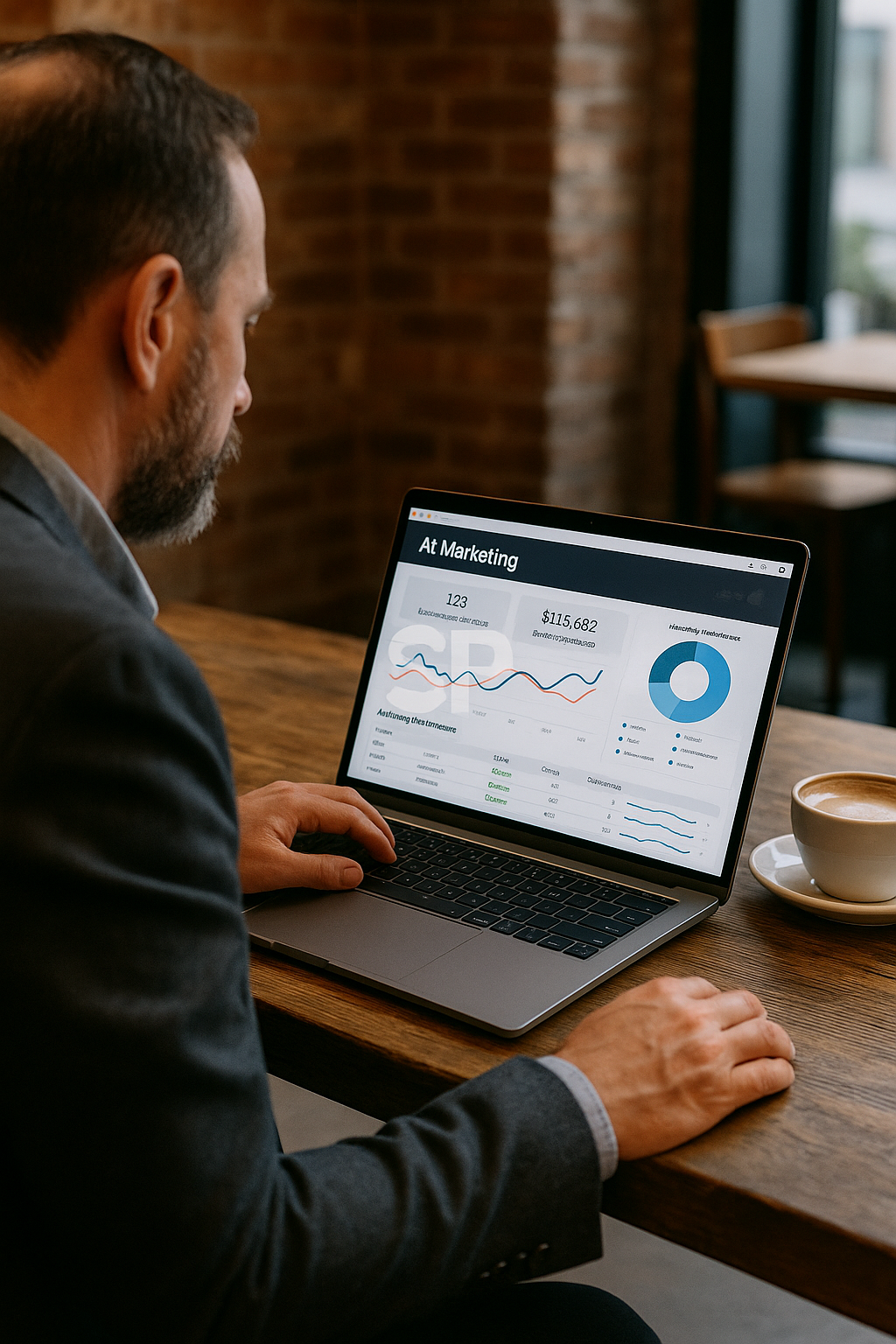
Many platforms in 2025 now offer AI dashboards that turn raw numbers into clear, plain-language recommendations. That means less guesswork, more clarity.
Examples of Popular Tools in 2025
HubSpot AI Add-ons: Offers predictive lead scoring and automated follow-up sequences tailored for small teams.
Mailchimp AI: Generates optimized email campaigns with dynamic content suggestions.
Buffer + AI Insights: Goes beyond scheduling by telling you what type of posts resonate with your audience.
Zapier AI: Automates workflows across apps, from capturing leads on a form to sending them personalized welcome emails.
These tools are no longer niche. They’re mainstream, affordable, and designed with small businesses in mind.
Real-Life Benefits for Small Teams
One bakery owner I know struggled to keep up with Instagram posts and email newsletters. After adopting an AI-driven social scheduler and email tool, she saved 10 hours a week. More importantly, her customer engagement grew by 30% because posts were timed better and emails were more relevant.
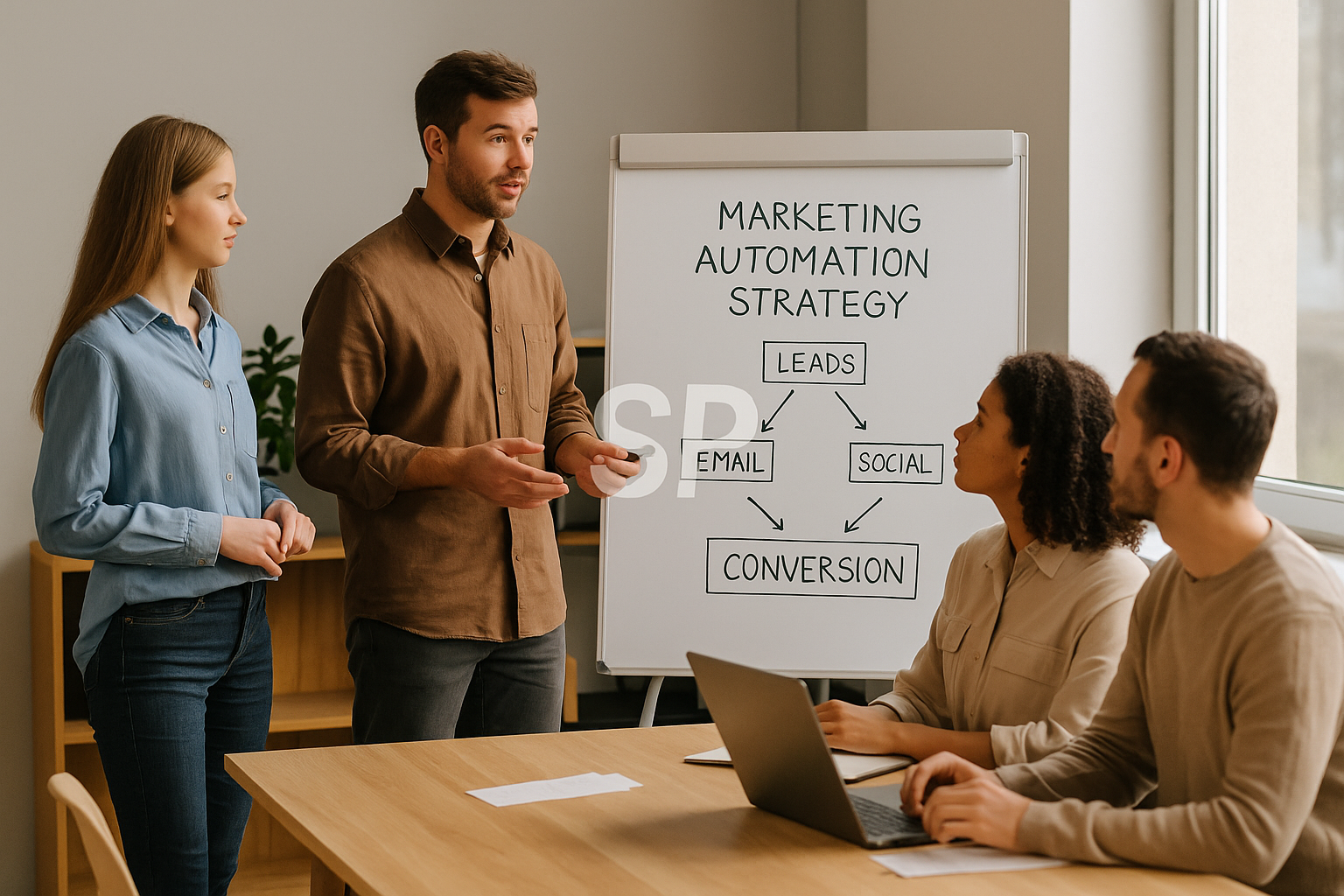
Another example: a small consulting firm used AI chatbots to answer initial client inquiries on their website. Instead of losing leads overnight, the chatbot collected details and scheduled calls automatically. The founders could wake up each morning with new leads already lined up.
These aren’t futuristic scenarios—they’re everyday realities for small businesses in 2025.
Overcoming Common Concerns
Some business owners still worry that automation feels “too robotic” and risks alienating customers. But modern AI tools emphasize personalization. Emails include customers’ names, content reflects their browsing history, and chatbots are programmed to respond with warmth. When used thoughtfully, automation actually feels more human because it addresses customers’ needs faster and more accurately.
Cost is another concern. Thankfully, subscription models now scale with business size. Many tools offer free tiers or low-cost entry plans, so even solopreneurs can get started.
Building a Smarter Routine
The most effective way to use AI automation isn’t to replace human effort but to redirect it. Let AI handle repetitive tasks, while you focus on creative strategy, product development, and customer relationships. Think of AI as your silent partner, working 24/7 to support your business.
Start small: automate one process, like email follow-ups or social media scheduling. Once you see results, expand into lead scoring, predictive analytics, or cross-platform workflows. Over time, these small steps add up to a full automation routine that saves dozens of hours each month.
For small businesses in 2025, AI marketing automation tools are no longer optional—they’re essential. They level the playing field, letting small teams compete with larger organizations without burning out. By choosing simple, integrated, and insight-driven tools, you can build a smarter growth engine that runs consistently in the background.
If you’ve ever felt overwhelmed by the endless to-do list of running a business, consider this: the tools you need to simplify, automate, and scale are already here. The only question is when you’ll start using them. And in 2025, waiting too long might mean missing out on the smartest growth opportunity of the decade.
When small business owners first hear the phrase AI marketing automation, it often feels intimidating. They imagine complicated dashboards, high costs, or tools that only big corporations can afford. But the truth in 2025 is different. Many of these tools are simple, affordable, and specifically designed for lean teams. What really matters is how you integrate them into your daily routine and build habits that maximize their value.
One of the first steps is to identify the tasks that drain the most time. For some businesses, it’s sending follow-up emails; for others, it’s posting consistently on social media. By automating these repetitive actions, you free up hours that can be reinvested into creative work or customer relationships. A bakery owner who automates Instagram posts and weekly promotions isn’t replacing her creativity—she’s giving herself more space to design new recipes and connect with customers in person.
Another key habit is reviewing the data regularly. AI automation tools are not just about doing tasks automatically; they also generate valuable insights. If you ignore those insights, you’re missing half the benefit. A small consulting firm I spoke with uses an AI dashboard that highlights which LinkedIn posts drive the most engagement. By acting on that information—doubling down on topics that perform well—they’ve grown their inbound leads by 40% without increasing ad spend. The lesson: automation works best when paired with reflection and adjustment.
For small businesses, scalability is often a concern. Owners worry that once they grow, the tools will no longer fit. But most modern platforms scale seamlessly. They offer free or low-cost plans for startups and tiered pricing that expands with usage. That means you can start small, test the value, and gradually increase your investment as your business grows. This reduces risk and ensures that you’re only paying for what you actually use.
One overlooked benefit of AI automation is emotional relief. Running a small business often feels like juggling too many balls at once. Knowing that some tasks are taken care of in the background reduces mental load. It creates a sense of order and predictability in what can otherwise be a chaotic schedule. Business owners often describe this as “peace of mind,” which is just as valuable as the financial savings.
It’s also worth noting that automation doesn’t have to be all-or-nothing. Some business owners make the mistake of trying to automate everything at once, leading to frustration. A smarter approach is gradual adoption: start with one process, like scheduling newsletters, then add another, such as lead scoring or customer onboarding. Over time, these layers of automation stack together into a powerful system.
Of course, challenges remain. No tool is perfect. AI-generated emails sometimes miss the right tone, or automated posts might feel generic if left unchecked. That’s why human oversight is still essential. The most successful users of AI automation treat the tools as assistants, not replacements. They provide the creativity and empathy, while AI handles the repetitive execution. This balance keeps marketing authentic while still saving time.
Looking ahead, the line between small and large businesses in terms of marketing capability will blur even further. As AI tools continue to improve, even a one-person company will be able to run campaigns that look as polished as those from enterprises. What will set businesses apart is not access to tools, but the way they use them. Personal stories, community engagement, and brand authenticity will still matter—and AI will help amplify those efforts rather than replace them.
In the end, AI marketing automation tools for small businesses are not about replacing people with machines. They are about giving small teams the chance to compete on a bigger stage without burning out. With the right mindset, consistent habits, and thoughtful oversight, these tools become less of a luxury and more of a daily necessity. And once you experience the freedom they create, it’s hard to imagine running your business without them.