AI Automation for Daily Productivity: 5 Practical Routines You Can Start Today
Good morning, everyone 🌞 How’s your day starting so far? Sometimes we all feel overwhelmed by too many tasks, endless notifications, and a constant pressure to “do more.” But here’s the secret: it’s not always about doing more—it’s about designing systems that quietly handle the repetitive work for you. That’s where AI automation steps in.
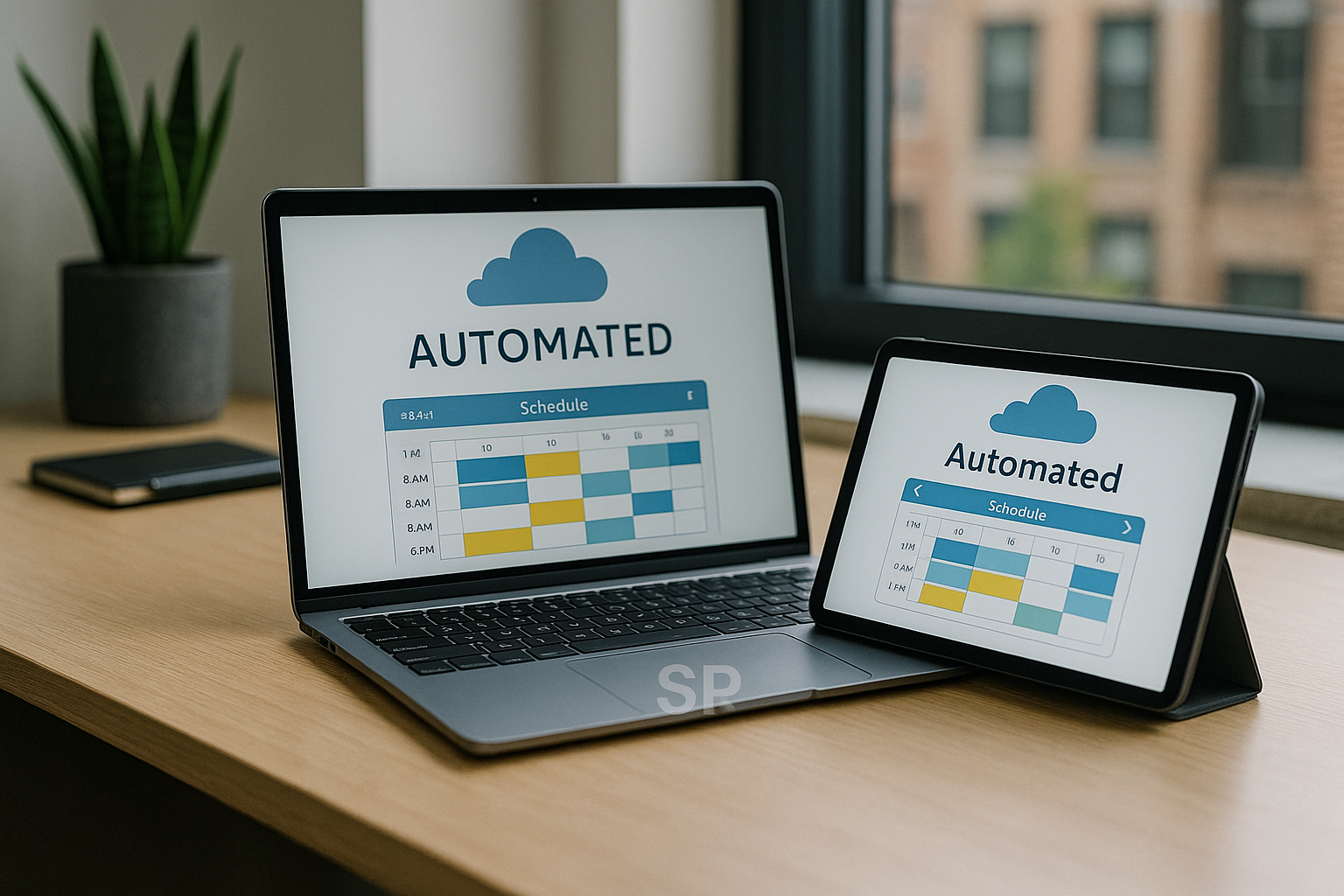
Many people still think automation is only for tech professionals or large companies, but the truth is that you can begin applying simple tools today. Whether it’s planning your calendar, generating quick reports, or automating small marketing steps, AI can dramatically reduce mental load. And yes, I’ve seen people save nearly 5–7 hours a week just by letting automation take care of the basics. Sounds amazing, right? Let’s break it down step by step.
1. Automating Your Calendar
One of the biggest time wasters is back-and-forth scheduling. With tools like AI-powered schedulers, you can send a single link that automatically adjusts to your availability. No more emails ping-ponging around. Imagine how much stress you save when meetings simply appear at the right time—no extra clicks required.
Tip: Connect your scheduler with Zoom or Google Meet so every event instantly generates a meeting link. That way, you don’t scramble at the last minute.
2. Writing Support with AI Drafting
Emails, reports, and even proposals can consume your creativity. AI writing assistants won’t replace your voice, but they will help you overcome the blank page syndrome. For instance, start with a rough bullet list, feed it into your AI tool, and instantly receive a clean draft to refine.
A friend of mine cut his email writing time by 40% this way. And the best part? He didn’t lose authenticity—he just spent less time staring at the blinking cursor.
3. Automating Data Tracking
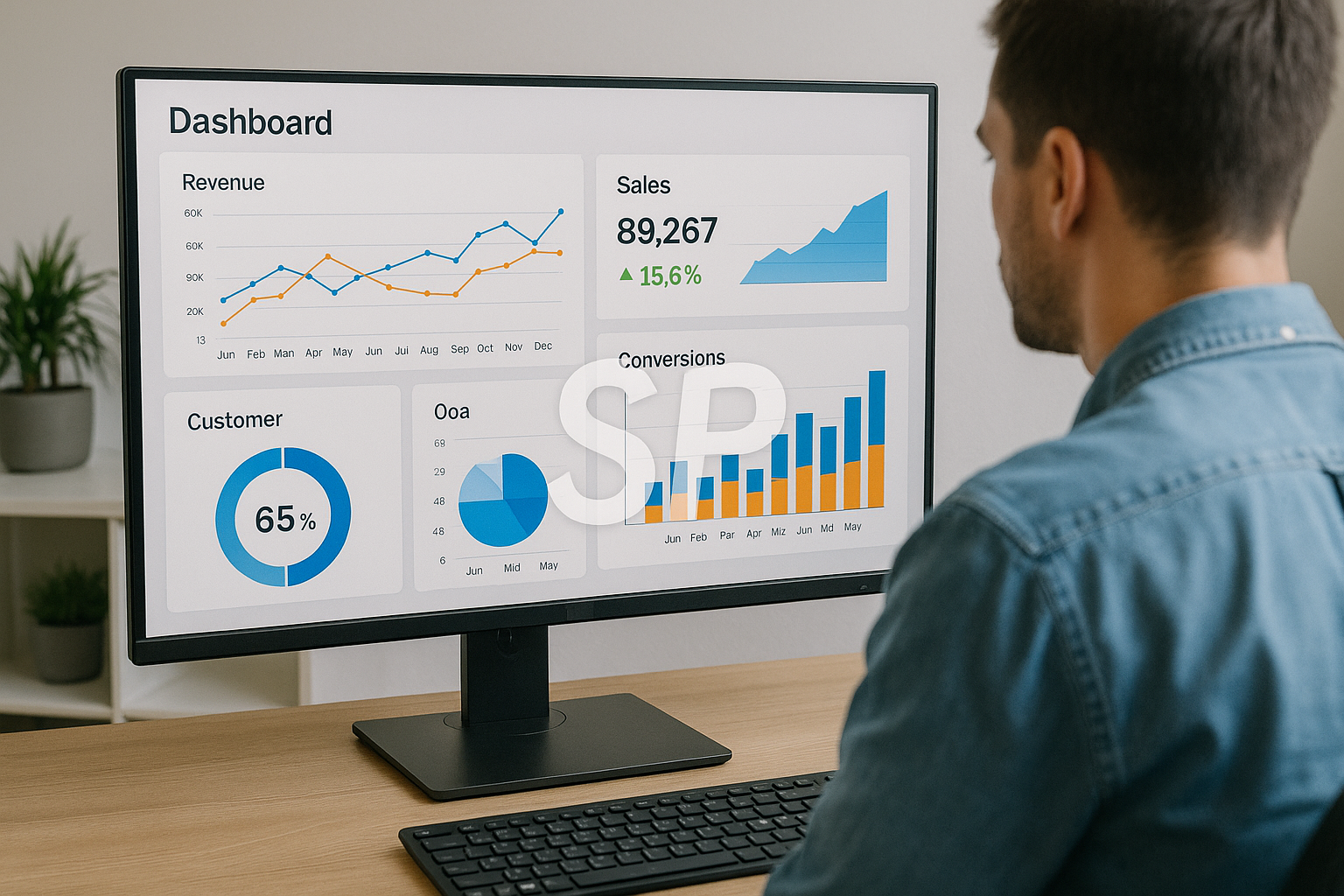
If you run marketing campaigns, you know how exhausting it is to track numbers daily. Instead, use AI dashboards that pull data automatically from multiple channels. Whether it’s Google Ads, social media, or email campaigns, you’ll see performance updates in real time without manual copy-pasting.
Adding conditional alerts is powerful here: set up “if conversion rate drops below 3%, notify me.” This way, you can focus on solving problems instead of monitoring screens.
4. Personal Knowledge Base with AI Search
Ever felt like your notes are scattered across apps? Create a central hub where AI indexes your documents, transcripts, and even meeting recordings. Later, when you ask, “What did I discuss with my client about pricing last month?”—the AI can surface exact sentences within seconds.
This transforms productivity because you no longer waste energy hunting for old files. It’s like having a personal memory assistant always by your side.
5. Marketing Automation Made Simple
Finally, let’s talk about marketing. AI can automate content repurposing: one blog post can become multiple social captions, email teasers, and even short video scripts. That means you don’t need to reinvent the wheel every single week.
Try this workflow:
Write one 1,000-word blog post.
Let AI turn it into 5 tweets, 3 LinkedIn posts, and 1 short video script.
Schedule them automatically.
This is how individuals scale like small marketing teams. No burnout, no endless rewriting. Just smart repurposing.

Q&A Corner
Q: Isn’t automation expensive?
Not necessarily. Many tools have free tiers or cost less than your daily coffee. The key is to calculate the time you save. If automation saves you even 2 hours a week, the return is massive.
Q: Will AI replace creativity?
No. It’s a co-pilot, not a substitute. The creativity still comes from you—the AI just accelerates execution.
Bonus Insight ✨
People often underestimate the emotional relief automation brings. When small tasks disappear, your brain finally gets space to think about strategy, hobbies, or even rest. And honestly, isn’t that the real goal of productivity? To feel lighter and more in control of your time.
So, if you’ve been curious about automation but didn’t know where to start, these five steps are a gentle entry point. Try one routine this week—you’ll be surprised how quickly it becomes a habit.
When people first hear the word “automation,” they often imagine complex systems reserved for large corporations. But what truly matters is how individuals can shape their personal workflows with AI. The beauty lies in the small, invisible routines that quietly carry the burden for you. This is where life becomes lighter, and surprisingly, more creative.
Take the example of digital workers who juggle multiple roles—content creation, client communication, and administrative chores. Without automation, they end up splitting their focus and draining their energy. But with just a few AI-based adjustments, those same people suddenly discover hours of breathing room. One consultant I spoke with described how integrating an AI scheduling tool completely changed the way she handled her week. Instead of spending twenty minutes per client exchanging emails, she could lock in meetings instantly, freeing herself to focus on strategy.
And this is not just about speed. It’s about emotional relief. Knowing that repetitive tasks are handled creates a deep sense of calm. In fact, psychologists argue that decision fatigue often comes from micro-decisions we don’t even notice—choosing when to reply, deciding how to phrase an email, remembering to check performance numbers. Automation eliminates many of these micro-decisions, allowing you to concentrate on the choices that actually move the needle.
Another area where people feel the shift is writing. Many professionals hesitate to delegate writing support to AI because they fear it will sound robotic. But once they try, they realize the process is less about replacement and more about guidance. You are still the storyteller; AI just clears the path by offering structure. Some creators even describe it as “having a brainstorming partner available 24/7.” And that’s exactly how it feels when a draft is already waiting for you while you sip your morning coffee.
The same principle applies to marketing. Think about how exhausting it is to reinvent captions and posts every single day. Yet a single long-form piece of content can be repurposed into dozens of formats with automation. Suddenly, consistency is no longer a challenge. Instead of wondering, “What should I post today?” the question shifts to, “How do I want to refine this message?” That difference is transformative because it shifts your energy from surviving to growing.
Still, many people hesitate because they assume automation requires advanced technical skills. But modern AI tools are designed for everyday users. Drag-and-drop dashboards, voice commands, and natural language prompts mean you don’t need to code to automate your life. I often tell people: if you can type a sentence, you can build an automated workflow. And that realization opens up possibilities.
Of course, there are challenges too. Relying too heavily on automation can create blind spots, especially if you stop paying attention to the bigger picture. For instance, an AI that schedules tasks might overfill your week if you don’t set clear boundaries. That’s why it’s essential to remain the decision-maker, treating AI as a partner rather than a boss. Think of it as driving with cruise control—you still keep your hands on the wheel, but you don’t have to push the pedal all the time.
One of the most surprising benefits of automation is how it expands creativity. Once you stop burning energy on repetitive chores, you find yourself experimenting more. You suddenly have the mental clarity to test new ideas, write more freely, or even learn a new skill. A marketing manager once told me that after setting up automated reporting, she finally had time to study design basics. That skill later allowed her to create campaign visuals herself, saving budget and boosting her confidence.
And here lies the hidden power of AI automation: it’s not just about working faster, but about unlocking your potential. When you design a system where tasks flow smoothly, your day stops being a chain of firefights and becomes a sequence of purposeful actions. That feeling of flow is addictive—it reminds you why you started your journey in the first place.
If you’ve ever caught yourself thinking, “I wish I had more time,” automation might be the answer you’ve been searching for. The time it gives back is not only practical but also emotional. It brings space for creativity, for rest, and for real growth. And as you experiment with even the smallest automation routines, you’ll realize that these aren’t just productivity tricks—they’re stepping stones toward a new lifestyle.
So take the first step today. Choose one tiny process to automate, watch how it changes your rhythm, and let it spark a chain reaction. Before long, you’ll notice that your life feels less like a sprint and more like a well-paced journey—one where you’re finally in control, supported by AI that works quietly in the background.